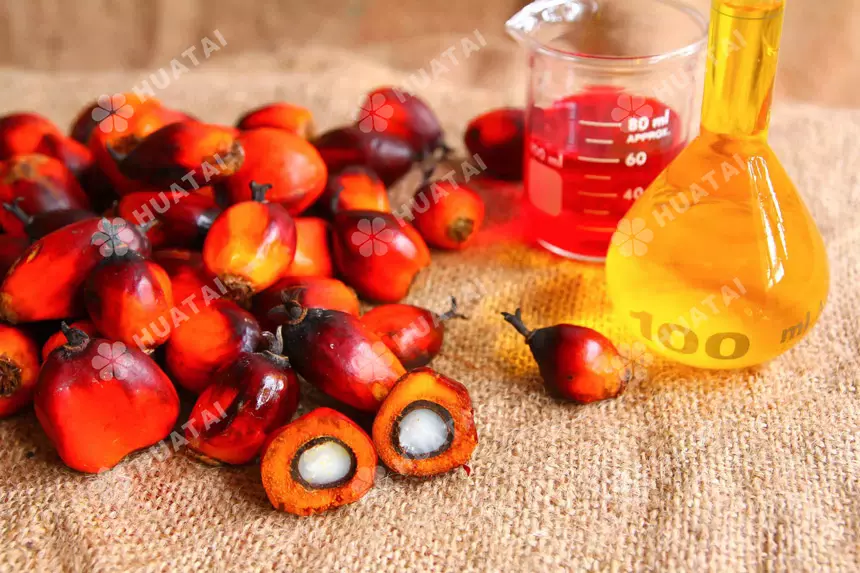
Palm kernel oil (PKO) is not a typical edible oil; it is rich in lauric acid and is used to produce cocoa butter substitutes (CBS), non-dairy creamers, soaps, personal care products, surfactants, and cosmetic ingredients. The byproduct—palm kernel meal (PKM)—is a high-value protein feed (for cattle, sheep, and aquaculture), serving as a profit buffer.
Oil extraction rate: Typically 42%–46% via mechanical screw pressing, with the remainder becoming meal.
Advantages (Well-suited for overseas expansion, particularly in Africa—notably Nigeria and Ghana):
1. Byproduct as a safety net: When oil market conditions are poor, the meal remains in steady demand from feed buyers, helping to offset potential losses. Integrated fresh fruit bunch (FFB) processing plants have the lowest raw material costs and the highest profit potential, as they have direct access to palm kernels.
2. Stable market demand: There is long-term, consistent demand from the personal care, oleochemical, confectionery coating, and non-dairy ingredient sectors—this is not a niche market.
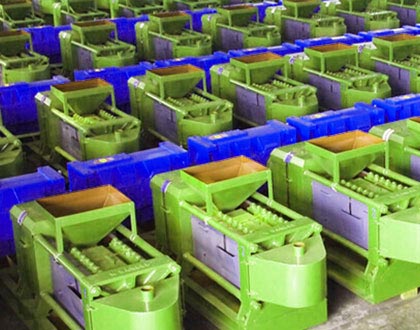
3. Mature technology: Domestic (Chinese) screw-press technology is well-developed, and the entry barrier for small-scale operations is reasonable.
4. Local processing dividends: Many African producing regions currently export raw palm kernels. Establishing local processing facilities saves on bulk ocean freight costs, offering significantly higher profit margins compared to simply selling the raw kernels.
1. Raw material supply is the critical vulnerability
Palm kernels are not an independent crop; they are a byproduct of palm oil extraction from fresh fruit bunches (FFB) and are therefore dependent on FFB processing plants. Without securing a supply agreement with an upstream FFB plant, one must rely on the spot market—leading to price spikes during peak seasons and raw material shortages (causing operational downtime) during off-peak seasons. If the capacity utilization rate falls below 70%, the operation generally becomes unprofitable.
2. Extreme price volatility.
Prices are highly sensitive to market fluctuations in Indonesia and Malaysia. If you lock in high-cost raw materials while oil prices fall, you face a "margin squeeze" that can easily lead to losses. Gross margins typically range from 20%–30%, with net margins at 8%–12%; however, during market downturns, gross margins can drop to zero or even turn negative. 3. Higher Technical Threshold Compared to Rapeseed or Peanut Oil Extraction
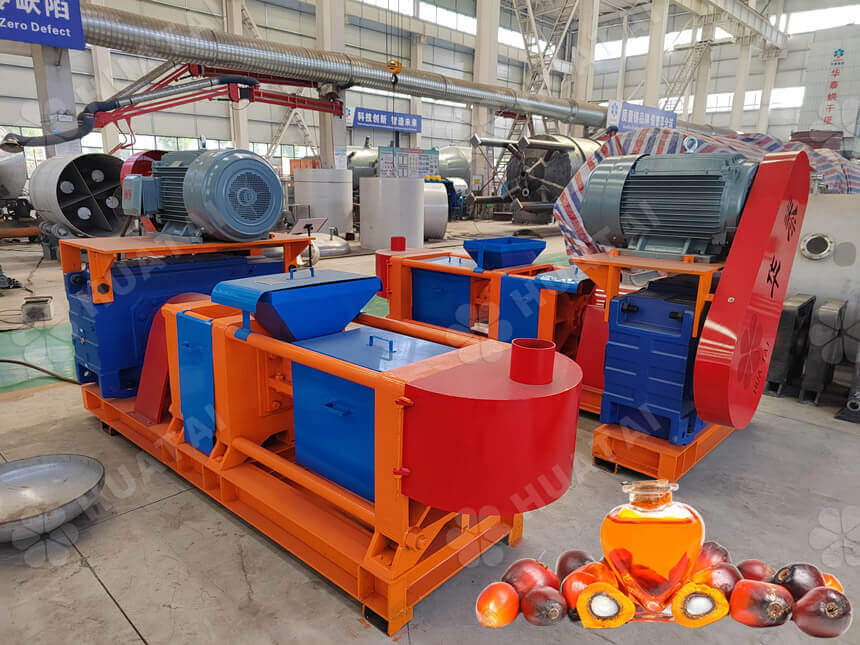
Palm kernels are extremely hard; they cannot be fed directly into an oil press. They must first undergo crushing, shell-kernel separation, and conditioning (steaming and roasting). Failure to effectively separate the shells will significantly reduce oil yield, increase impurities, and prevent the product from fetching the premium prices offered by refineries.
• Crude oil pressing only: Lower investment and lower entry barrier; the product is sold to refineries.
• Integrated refining and fractionation: Offers higher added value (e.g., cosmetic-grade or specialized food-grade fractionated fats).
4. Policy, Compliance, and Environmental Standards
Investment Scale Reference (for screw-press lines; excludes land, factory facilities, and working capital)
• 5 tons/day (Small-scale): Equipment cost 300,000–600,000 RMB; suitable for pilot runs, small cooperatives, or initial testing phases.
• 20–30 tons/day (Medium-scale, mainstream): Equipment cost 1 million–2.5 million RMB; offers the best economies of scale and lower processing costs.
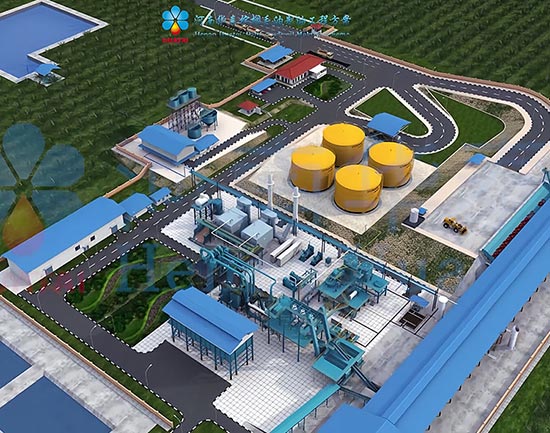
Co-location with a Palm Fruit Processing Plant (Highly Recommended)
By processing palm kernels on-site at a palm fruit mill, you gain control over raw material costs. Producing both oil and meal (cake) creates the most stable business model in the industry, with a typical payback period of 3–5 years.
Prerequisites for Market Entry
1. Long-term kernel procurement agreements secured with at least 1–2 fresh fruit bunch (FFB) processing plants, locking in supply volumes and pricing mechanisms.
2. Downstream buyers for both the oil and the meal (e.g., refineries, feed mills, or manufacturers of personal care/chemical products) secured in advance.
If you are interested in our palm oil machine and palm oil mill plant. You can contact us through online consultation, filling out the form below, email, phone, etc. Our engineers will customize the most suitable plan and best price for you.