Key Takeaway: Harvested palm fruit contains potent lipases; delayed processing leads to a rapid spike in FFA (Free Fatty Acids) and immediate devaluation. Sterilization and enzyme deactivation constitute the absolute priority of the entire production line.
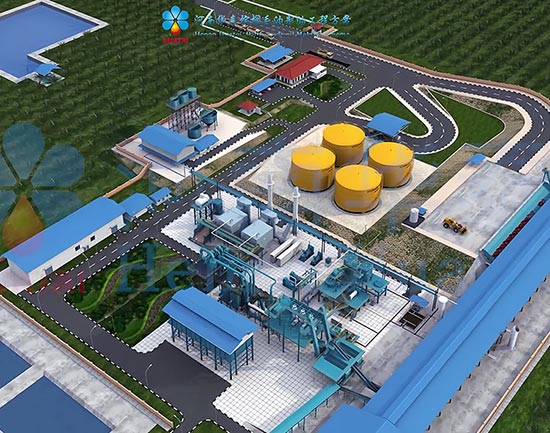
Process Flow: FFB Reception → Sorting → Sterilization (deactivating enzymes) → Threshing → Digestion → Screw Pressing → Crude Oil Clarification/Centrifugation → Crude Oil Storage → Refining.
1. Processing Time Limits
Ideally, fruit should enter the sterilization stage within 24 hours of harvest; the absolute maximum limit is 48 hours. In hot tropical environments, lipases in damaged or over-ripe fruit activate rapidly, causing FFA levels to rise continuously. FFA > 5% results in significant price penalties; FFA > 7% renders the oil suitable only for industrial use, disqualifying it from food-grade applications.
2. Maturity Sorting
High Quality: Fruit bunches with 5%–15% naturally detached loose fruits;
Unripe Fruit: Low oil yield, crude oil appears greenish;
Over-ripe/Damaged Fruit: Prioritize for processing (damaged fruit exhibits the highest enzyme activity); discard moldy, blackened, or fermented fruit separately—do not mix with good stock.
3. Stacking Requirements
Stack height ≤ 1.2 meters; ensure ventilation and shade; avoid airtight stacking. Heat generated by respiration within the stack accelerates rancidity. Fruit harvested during rain has higher moisture content; processing parameters for sterilization and clarification must be adjusted accordingly.
Sterilization (A critical control point in the overall process)
Standard parameters: Saturated steam, 130–145°C, pressure 2.5–3.0 bar, holding time 60–90 minutes (adjusted based on fruit bunch size).
Risk points:
Overloading the sterilizer or uneven steam distribution → Incomplete enzyme inactivation at the bunch core; FFA levels continue to rise after discharge.
Insufficient sterilization time/temperature: Enzymes remain active; the issue cannot be remedied in subsequent processing stages.
Excessive steaming time: Oil oxidation and darkening of color; increased consumption of bleaching earth during refining.
Horizontal sterilizers are superior to vertical ones as they allow for timely condensate drainage, reducing moisture content and emulsification in the crude oil.
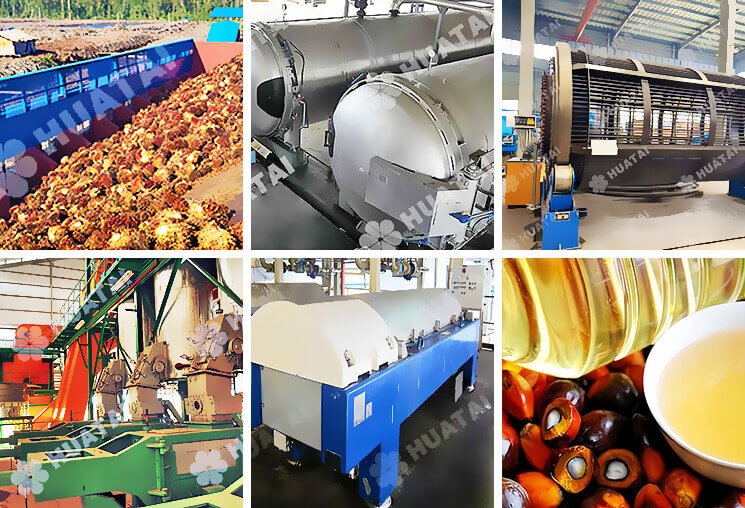
1. Detach fruit as soon as sterilization is complete; do not leave sterilized fruit bunches sitting for extended periods. Ensure clean separation of Empty Fruit Bunches (EFB); EFBs can be used as boiler fuel or organic fertilizer.
2. Digestion: Agitate at 90–95°C for 10–20 minutes to break down pulp cells and release oil; avoid excessively high temperatures to prevent oil oxidation.
3. Control material consistency (plasticity); avoid material that is too dry or too wet, as this causes load fluctuations in the press and increases residual oil content.
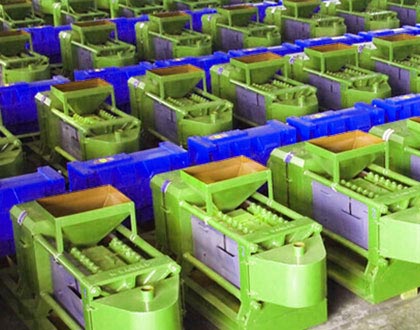
1. Primarily utilizes twin-screw presses; control the pressure gradient (low pressure at the inlet, high pressure at the discharge end) to prevent pulp carbonization and oil contamination.
2. Pressing output: Crude oil (mixture of oil, water, and fiber) + Press cake (containing palm kernels and fiber); target residual oil in the press cake is 7–10%.
3. Distinguish between pulp oil (Crude Palm Oil/CPO) and palm kernels (processed separately later for Palm Kernel Oil/PKO); avoid excessive kernel breakage, as broken kernels increase impurities in the crude oil.
4. Wear on consumable parts (screws, liners) leads to progressively higher residual oil levels; regular inspection and replacement are required.
The crude oil obtained from pressing contains significant amounts of fiber, water, and gums; rapid purification is essential:
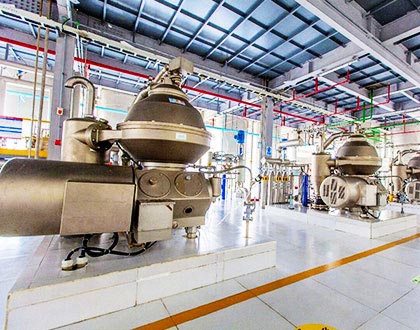
1. Process: Vibrating screen to remove coarse solids → Heating and dilution → Settling tank → Three-phase centrifuge (separation into oil, water, and solid residue) → Vacuum drying (reducing moisture content to below 0.1%).
2. Key Points: Maintain the crude oil at an appropriate temperature to ensure rapid oil-water separation; **prolonged contact between crude oil, water, and residue leads to continued hydrolysis and rising acidity (FFA levels).
3. Collect oil sludge and fibrous residue separately; do not mix them into the purified crude oil.
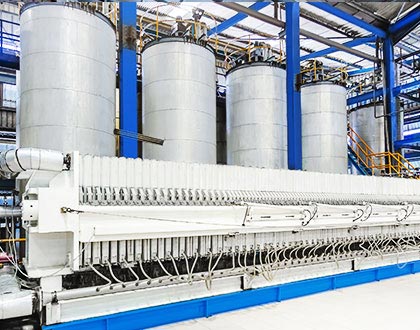
Palm oil solidifies at approximately 24°C; storage tanks must be kept at a constant temperature of **32–40°C** to prevent solidification. Tanks should be sealed and shielded from light to minimize oxidation.
Sample and test each batch for FFA, moisture, and impurities, and store in separate tanks according to grade.
1. Wastewater: Palm Oil Mill Effluent (POME) has extremely high COD levels and cannot be discharged directly. Anaerobic fermentation to produce biogas—which can fuel the boilers—is the standard solution. This is often the biggest challenge in the environmental impact assessment (EIA) process for plants in Africa.
2. Solid Waste: Empty Fruit Bunches (EFB), fibers, and palm kernel shells can serve as biomass fuel for steam boilers, enabling energy self-sufficiency.
3. Safety: High-pressure sterilization tanks are pressure vessels; safety valves and pressure gauges require regular calibration. Steam pipes operate at high temperatures (prevent burns); dust in the pressing workshop poses fire and explosion risks.
4. Cross-Contamination:For food-grade oil plants, only food-grade lubricants must be used for equipment.
Quality Parameter Monitoring (Mandatory Checks per Shift)
FFA (Free Fatty Acids) – Most critical
Moisture & Impurities (M&I)
Peroxide Value (PV) & Color
1. Thinking a delay of a day or two in processing doesn't matter → FFA levels skyrocket, oil grade drops immediately, resulting in huge financial losses.
2. Relying solely on the pressure gauge for enzyme deactivation (sterilization) without checking the core temperature of the tank → Failure to deactivate enzymes in certain areas.
3. Sending crude oil directly to refining without adequate clarification → Excessive consumption of bleaching earth and alkali; reduced refining yield.
4. Storage tank temperature too low: palm oil solidifies, making transfer difficult; temperature too high: oxidation accelerates.
5. Direct discharge of wastewater → Overseas projects face heavy fines and work stoppages.
Rapeseed is an oilseed crop and does not undergo rapid enzymatic breakdown after harvesting; fresh fruit bunches (FFB) of palm are fleshy fruit sources where lipolysis begins immediately upon harvesting. Therefore, high-temperature sterilization to deactivate enzymes is mandatory—this is the core, unique feature of the palm oil processing method.
If you are interested in our palm oil machine and palm oil mill plant. You can contact us through online consultation, filling out the form below, email, phone, etc. Our engineers will customize the most suitable plan and best price for you.