Categorized into milling plants (producing Crude Palm Oil/CPO), refineries (producing RBD oil), and integrated mill-refinery complexes. In Nigeria, the vast majority of projects prioritize the milling stage, with provisions made for future refinery expansion; the requirement that Fresh Fruit Bunches (FFB) be processed within 24–48 hours of harvest is the primary constraint in process design.
Mandatory Site Selection Criteria
1. Raw Material Radius: Sufficient FFB resources within a 30–40 km radius; plant capacity must not exceed the total local FFB supply. Avoid the mistake of building large-scale facilities that cannot secure enough fruit. In Nigeria, 70–80% of supply comes from scattered smallholder farmers rather than large plantations.
2. Topography: Slightly elevated terrain to avoid waterlogging during the rainy season; distance from flood-prone lowlands; transport infrastructure capable of handling large trucks.
3. Water Source: 1–2.5 m³ of water per tonne of FFB; prioritize river or surface water; include raw water purification and softening systems for boiler feed.
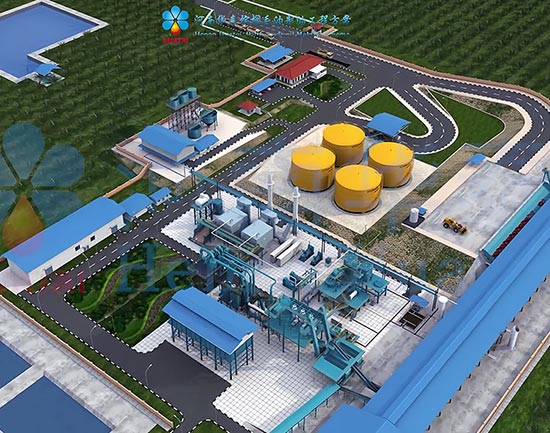
4. Land: In Nigeria, obtaining the "Governor’s Consent" (lease documentation) is mandatory; agreements solely with local chiefs or communities are insufficient. The site layout must allocate space for: production workshops, storage tank farms, by-product yards, Empty Fruit Bunch (EFB) storage, Palm Oil Mill Effluent (POME) treatment areas (located downwind and downstream of the plant), diesel storage tanks, spare parts warehouses, office and living quarters, and fire safety buffer zones.
5. Power Supply Realities: Local grids are highly unstable, so the design must rely primarily on self-generated power. Prioritize biomass boilers (utilizing fiber and shells) for steam and power generation, supplemented by high-capacity diesel generators; do not rely entirely on the public grid.
1. FFB Receiving Area (Plant Entrance): Fruit unloading ramp/platform, weighbridge, and temporary FFB storage area. Minimize the time fresh fruit bunches (FFB) are stockpiled on-site; locate the receiving area immediately adjacent to the sterilization section to reduce transport and prevent a spike in Free Fatty Acid (FFA) levels.
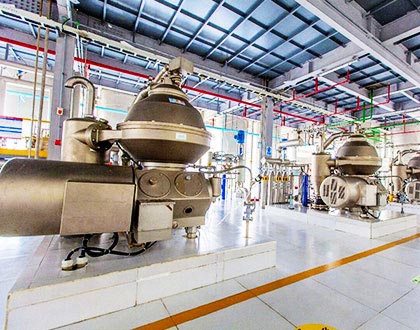
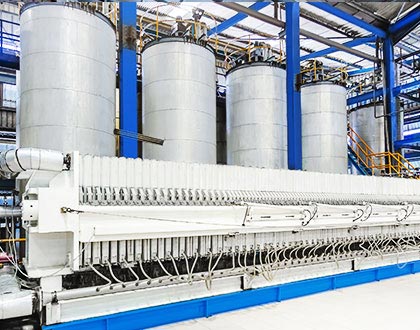
2. Main production workshop: Sterilization → Threshing → Digestion → Pressing → Crude Oil Clarification; Palm Kernel Recovery section. Utilize gravity-based material transfer wherever possible to minimize wear caused by pumping.
3. Tank farm: CPO (Crude Palm Oil) tanks and PK (Palm Kernel) storage tanks; equipped with independent fire-containment bunds.
4. Boiler room and generator room: Designated as independent explosion-proof zones; located close to steam-consuming equipment.
5. By-product area: Stockpiling of EFB (Empty Fruit Bunches), fiber, and shells for use as boiler fuel; stockpiling of PKC (Palm Kernel Cake) for animal feed.
6. POME (Palm Oil Mill Effluent) treatment station (must be located downwind); sludge and waste residue stockpiling area; strictly prohibited from being near rivers.
7. Warehouse: Spare parts warehouse is critical (due to long procurement lead times in Africa); mechanical maintenance workshop.
8. Office, laboratory, and living quarters: Separated from the production area.
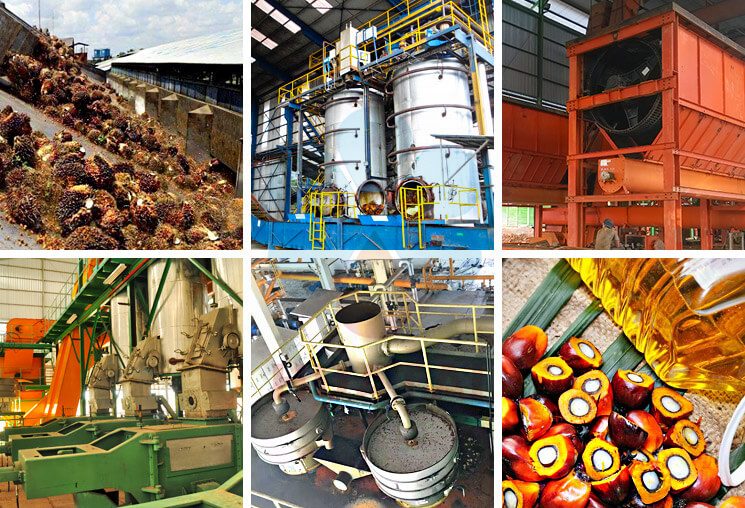
1. 5 TPH FFB (Small-scale)
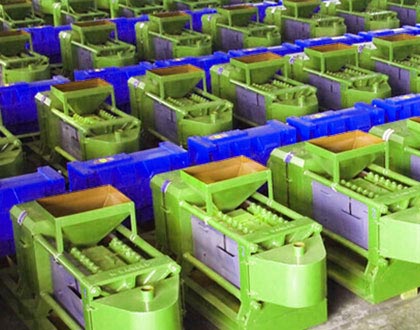
Horizontal batch sterilization and twin-screw pressing; includes clarification and palm kernel recovery; pressing-only process; suitable for small production areas. Site footprint: approx. 3–5 hectares.
2. 10–15 TPH FFB (Most common medium-scale in Nigeria)
Full continuous pressing line; comprehensive oil recovery and palm kernel recovery systems; complete POME treatment system; provision for future installation of refining equipment. Site footprint: 8–12 hectares. 3. 20–30 TPH FFB (Medium-to-Large Scale)
Features continuous sterilization and a fully automated pressing system; compatible with physical refining; requires a highly reliable raw material supply (stable local FFB sourcing is mandatory).
- CPO (Crude Palm Oil) extraction rate: 18–22%
- Residual oil in press cake: ≤8%
- FFA increase after sterilization: ≤0.3%
- Palm kernel recovery rate: ≥95%
- Water consumption: 1–2.5 m³/t FFB
- Power consumption: 35–45 kWh/t FFB
- POME (Palm Oil Mill Effluent): 0.6–1.0 m³/t FFB
If you are interested in our palm oil machine and palm oil mill plant. You can contact us through online consultation, filling out the form below, email, phone, etc. Our engineers will customize the most suitable plan and best price for you.