Physical refining process: Degumming → Bleaching → Deacidification/Deodorization Tower. The biggest weakness of physical refining is that if degumming is not performed correctly, the entire subsequent process is compromised; phospholipids and metal ions are detrimental to quality.
Key specifications for finished RBD palm oil: FFA ≤ 0.1%; Peroxide Value (PV) < 2 meq/kg; Moisture & Impurities < 0.1%; Color (Red value) ≤ 3; free from off-odors and resistant to color reversion.
The quality of Crude Palm Oil (CPO) directly determines the difficulty of refining.
- Controls: FFA ≤ 5%; Moisture & Impurities (M&I) < 0.25%; low Peroxide Value; use the DOBI index to assess oil freshness.
With poor-quality crude oil (high FFA, already oxidized), the finished oil will lack stability regardless of equipment adjustments made later.
Storage: Tank temperature 50–55°C (avoid overheating); minimize air exposure to reduce hydrolysis and oxidation.
Physical refining does not use alkali; phospholipids must be removed at this stage. Residual phosphorus causes the oil to darken and revert in color, and leads to the formation of harmful 3-MCPDE substances during high-temperature deodorization.
Process: 60–70°C; add 0.1–0.3% food-grade phosphoric acid; ensure thorough mixing and reaction; separate gum/sludge via centrifugation.
Target specification: Phosphorus content ≤ 5 ppm after degumming (strict industry standard).
Anomalies: If degumming is incomplete, the finished oil will inevitably suffer from color reversion later, regardless of parameter adjustments in the bleaching or deodorization stages.
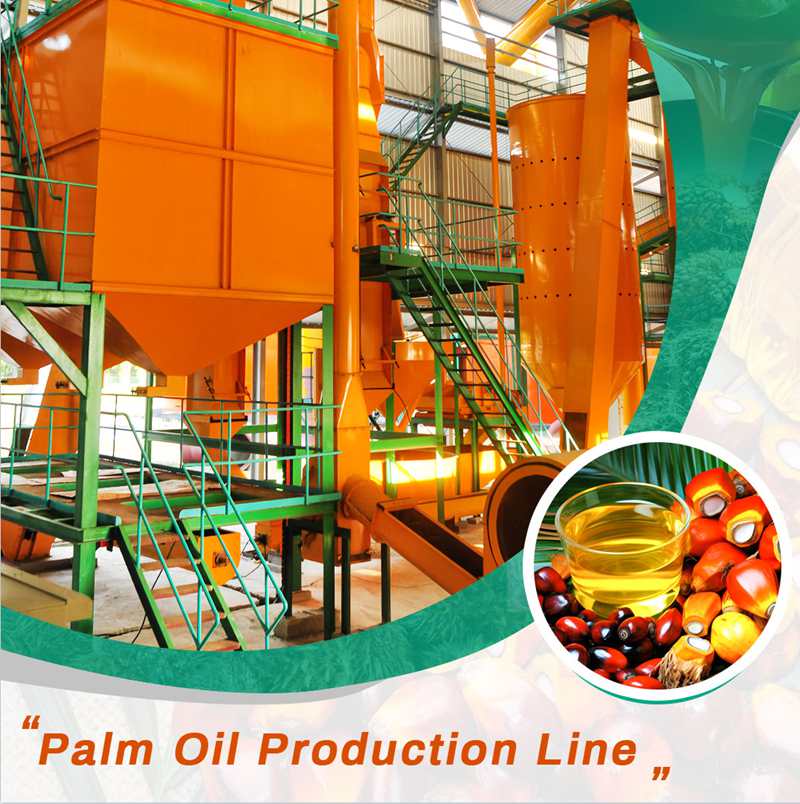
Crude palm oil contains high levels of carotene (deep red color); bleaching relies on adsorption by activated bleaching earth rather than chemical bleaching.
Parameters: Vacuum conditions; temperature 100–110°C; bleaching earth dosage 1–3% (adjusted based on crude oil color); sometimes supplemented with a small amount of activated carbon. Controls:
1. Vacuum must be maintained to prevent oxidation caused by contact with air;
2. Avoid excessive temperatures and prolonged processing times to prevent oil oxidation;
3. Filtration must be thorough; no bleaching earth powder should remain.
Objective: Reduce peroxide value and remove metal ions such as copper and iron (metals catalyze oil oxidation).
In the physical refining of palm oil, deacidification and deodorization are performed in a single tower.
Key parameters: Temperature 240–255°C; high vacuum 1–3 mbar; direct steam stripping; residence time 60–90 minutes.
1. Maintain vacuum: A drop in vacuum leads to oil oxidation, darkening of color, and off-odors. Check ejector pumps and condensers.
2. Avoid excessive temperature: Temperatures exceeding 260°C result in the formation of trans fatty acids and thermal decomposition products.
3. Direct steam: Use dry steam; ensure no condensate is carried over; steam quantity should be 3–5% of the oil weight.
4. Post-deodorization cooling: Must cool to below 80°C under vacuum before exposure to air! High-temperature oil oxidizes instantly upon contact with air; this is a common point of quality failure in many factories.
1. After cooling, a small amount of citric acid may be added to chelate trace residual metals and improve storage stability.
2. Finished oil moisture and impurity content: <0.1%.
3. Storage tank nitrogen blanketing: Minimizes contact with oxygen to inhibit color reversion and rancidity.
4. Storage temperature: 45–55°C; avoid prolonged high-temperature storage.
Crude oil: FFA, moisture/impurities, peroxide value
After degumming: Phosphorus content (most critical)
After bleaching: Color, PV (peroxide value)
Finished RBD oil: FFA, PV, Lovibond color, moisture/impurities, odor and taste.
In the physical refining of palm oil, success hinges on degumming, while quality depends on the deodorization and cooling stages. If degumming is not performed properly, the finished oil is prone to color reversion and deterioration, regardless of how advanced the subsequent equipment may be; after deodorization, the oil must absolutely not come into contact with air at high temperatures.
If you are interested in our palm oil machine and palm oil mill plant. You can contact us through online consultation, filling out the form below, email, phone, etc. Our engineers will customize the most suitable plan and best price for you.