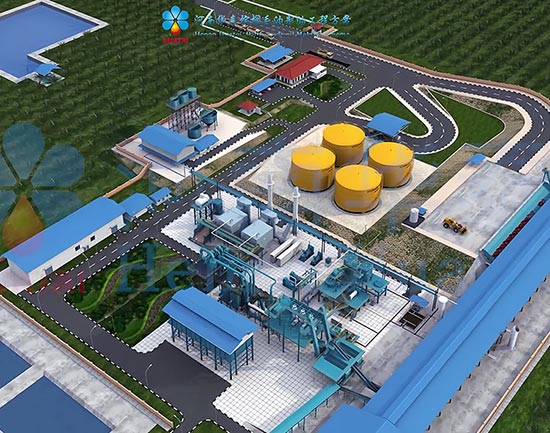
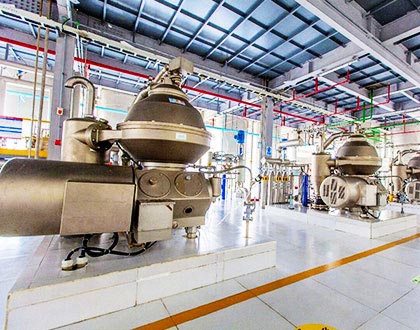
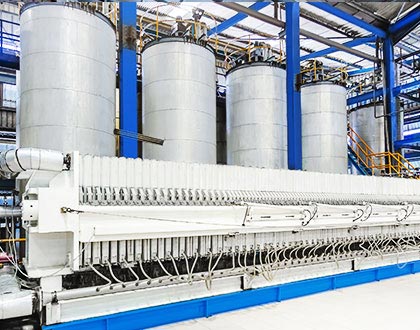
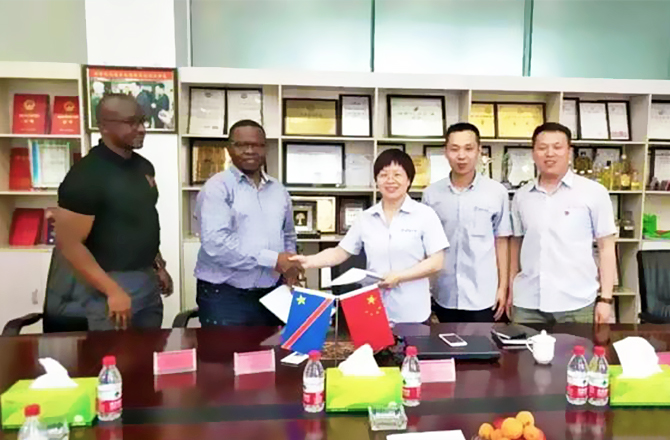
Palm Oil Refining is conducted in a series of steps such as degumming (to remove gums), neutralizing (to remove FFA), bleaching (to remove color), and deodorizing (to remove odor ).
Degumming
The first step in palm oil refining process is degumming. Crude palm oil contains colloidal impurities such as phospholipids. If not removed, these impurities can cause foaming, precipitation and an unpleasant odor during subsequent heating, affecting the palm oil's shelf life. Degumming effectively separates these impurities, laying a solid foundation for further processing and ensuring the oil's stability. Typically, you can use water degumming or acid degumming. The specific steps are to add a certain amount of water or phosphoric acid to the crude palm oil to hydrate or acidify the phospholipids to form an insoluble colloid, which is then separated by centrifugation.
Deacidification (Neutralization)
The second step in palm oil refining process is deacidification. Crude palm oil typically contains high levels of free fatty acids, which are the primary cause of rancidity and negatively impact taste. Deacidification significantly reduces the acidity, effectively addressing flavor and shelf life issues and ensuring a mellow, stable oil. Chemical neutralization or physical steam distillation are typically used to suppress the increase in free fatty acid content. However, it is important to note that chemical neutralization produces soapstock, which must be removed by centrifugation.
Bleaching
The third step in palm oil refining process is decolorization. Natural pigments in crude palm oil, such as carotenoids, can affect its appearance and the color of the final product. The decolorization step safely removes these pigments and other trace impurities using specialized adsorbents, such as activated bleaching earth, resulting in a clear, bright-colored and pure oil that meets the demands of high-end markets. In addition, after decolorization, you'll need to filter the spent bleaching earth through a leaf filter.
Deodorization
The final step in the palm oil refining process is deodorization – a critical step. Through high temperature vacuum steam distillation, all unpleasant odor substances and volatile components in the palm oil can be effectively removed. The final product of this process is refined palm oil with neutral flavor, pure smell and extremely high oxidation stability, which is widely used in various food processing.
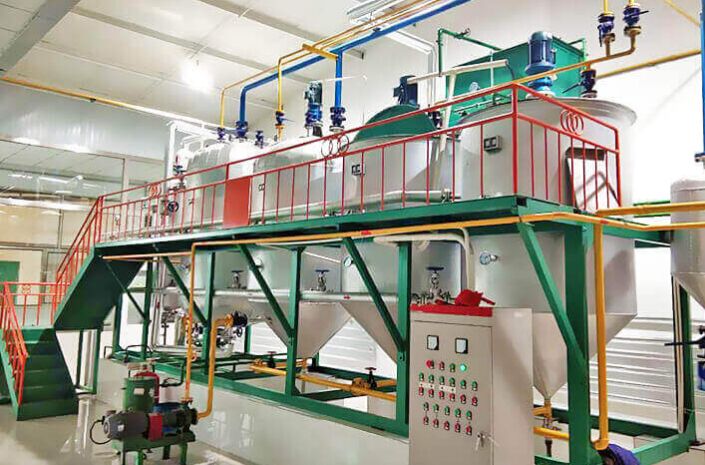
Compact Footprint: These units are designed to maximize space. A standard 1–5 TPD (Tons Per Day) setup typically requires only 30–50 square meters of floor space, allowing for installation in small warehouses or local cooperatives.
Multi-Oil Versatility: Unlike continuous systems, batch refineries can switch between palm, soybean, sunflower, or peanut oil with minimal downtime. This allows producers to adapt to seasonal crop availability.
Ease of Operation: The process is controlled via simple manual or semi-automatic valves. It does not require highly specialized chemical engineers; a trained operator can manage the 8–12 hour refining cycles.
Low Initial Investment: Because they lack the complex heat exchangers and continuous piping of large-scale plants, the upfront capital requirement is significantly lower—often 30-50% cheaper than semi-continuous alternatives.
Food-Grade Durability: High-quality units are constructed from 304 or 316 stainless steel. This prevents corrosion from fatty acids and ensures the final product meets international food safety standards.
Independent Heating Systems: Most batch units come with integrated thermal oil heaters or electric heating elements, allowing the refinery to operate without a large, expensive industrial steam boiler.
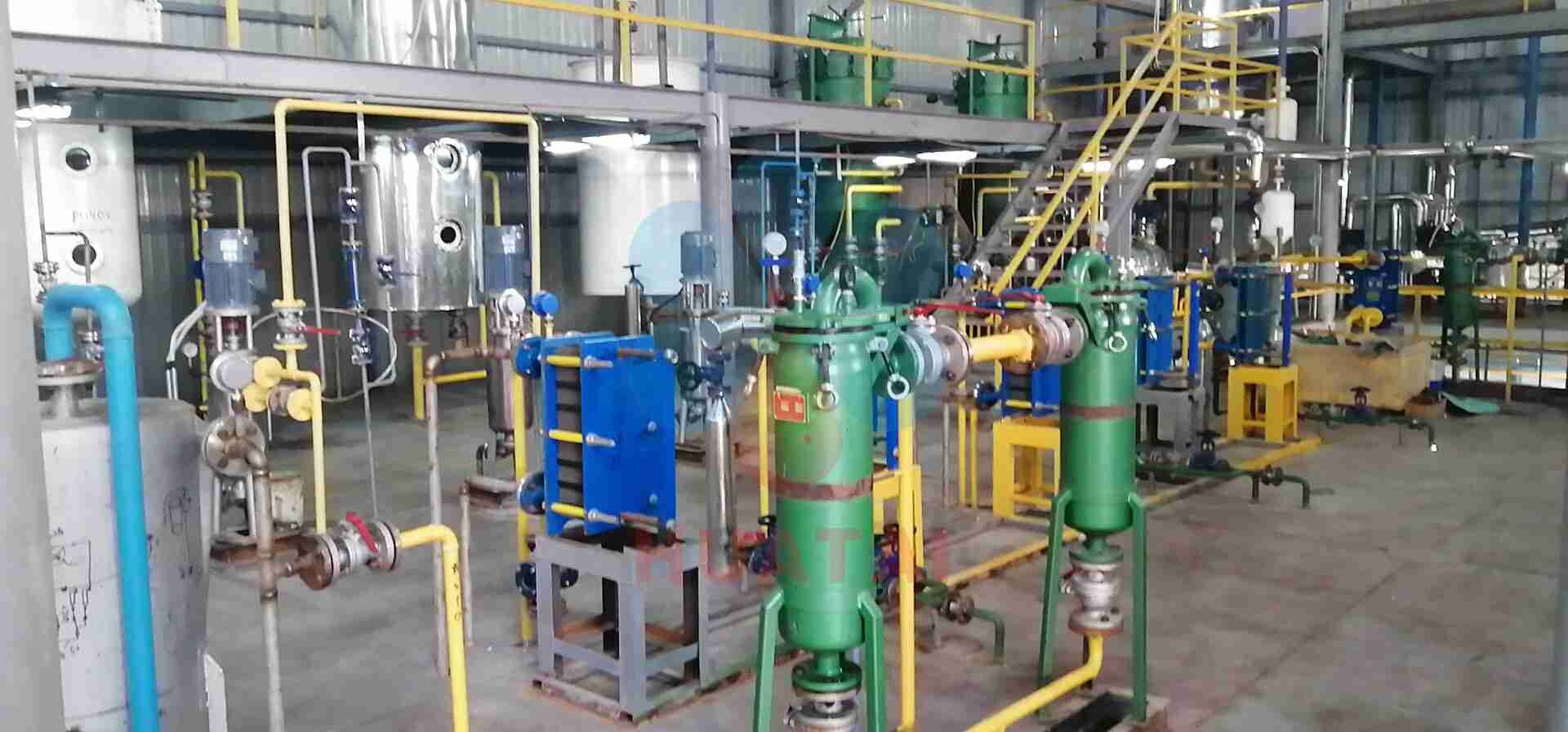
Wide application: Our small batch style palm oil refinery line is suitable for various crude vegetable oil, animal oil, fish oil, etc.
Low investment: Small batch style palm oil refinery line needs less investment, and cost recovering time is also short.
Less land request: Sometimes land is one of the problems for you to start small palm oil milling business, but for our batch palm oil refinery, you don't need to consider this matter, even 50㎡ workshop will be ok.
Easy operation: For small capacity batch palm oil refinery, it is very easy to operate. After our short time professional training, your workers can operate the machines well.
If you are interested in our palm oil machine and palm oil mill plant. You can contact us through online consultation, filling out the form below, email, phone, etc. Our engineers will customize the most suitable plan and best price for you.