Fractionation does not alter the inherent "quality" of the oil; rather, it redefines its "identity." When a batch of refined palm oil enters a fractionation line, it yields two distinct products. These are not classified as a "primary product" and a "by-product"—stearin is by no means waste; it has its own established standards, specific applications, and market value. This is explicitly defined by industry standards, which categorize palm oil fractions into three types: palm olein, palm super olein, and palm stearin—classifications that apply to both crude and refined palm oils. How are these three types distinguished?
Palm stearin: ≥44°C
Palm oil (unfractionated): 33–39°C
Palm olein: ≤24°C
Palm super olein: ≤19.5°C
"Palm super olein" is defined as liquid palm oil—produced through fractionation and crystallization—with an iodine value exceeding 60.
Dry fractionation consists of only three steps;
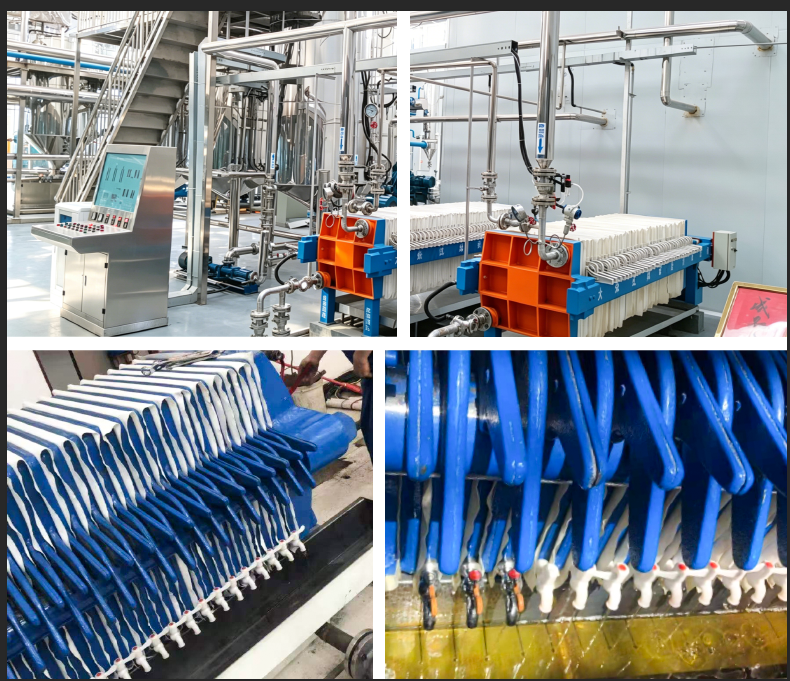
1. Heating and crystal dissolution: The oil is heated to approximately 70°C to melt any existing crystals. While sources vary—industry literature often cites 70°C, whereas academic journals may suggest 75–85°C—the specific temperature chosen depends on your heat-exchange capacity and the condition of the raw material.
2. Crystallization and crystal growth: The oil is first cooled to 35–40°C for pre-crystallization, then slowly cooled to 16–18°C and held at that temperature for at least two hours, allowing crystal nuclei to grow into crystals that can be effectively filtered.
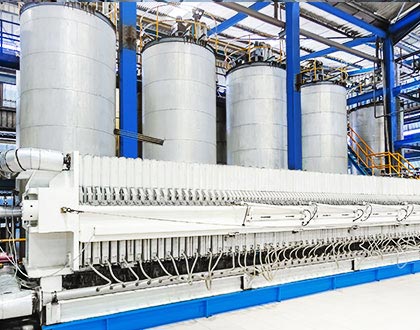
3. Filtration and separation: Using a membrane filter press, the liquid olein passes through, while the solid stearin is retained.
The ultimate success of the process hinges on three key parameters: cooling rate, stirring speed, and crystal growth duration. These are not independent variables, but rather three interconnected paths toward a single objective: ensuring that the crystals grow large and uniform, without trapping any liquid oil within them. If the purity achieved after a single fractionation step is insufficient, there is an additional option: recrystallization. The initially separated stearin or olein is cooled once more—to a temperature below the initial crystallization point—allowing the crystals to grow further and reach a higher level of purity, meeting the stringent requirements for high-end food or cosmetic applications. The trade-off is an extra round of cooling and filtration, which adds a processing step and results in additional yield loss.
Problems often include an inability to reach the target iodine value for the olein (liquid oil) alongside a low yield, or issues such as "soft" (improperly solidified) stearin or cloudy olein. If the stearin is too soft, it indicates that the high-melting-point components—which should have crystallized and precipitated—have not been fully removed; in this case, check the final crystallization temperature and the duration of the crystal-growth (maturation) phase. If the olein is cloudy, it suggests that fine crystals have passed through the filter cloth; here, check the cooling rate and the mesh size of the filter cloth. To address these issues, follow this sequence: first, reduce the cooling rate; second, extend the crystal-growth time; and finally, adjust the final crystallization temperature.
Define the Product First, Then Determine the Temperature. In the commissioning of fractionation lines, many plants work backward from the equipment—setting the process parameters based on the minimum temperature the crystallization tanks can reach. This reverses the true cause-and-effect relationship.
1. Define the product first—is the olein intended for the frying oil market, or is the stearin destined for the shortening and baking market?
2. Calculate the required iodine value—do you need an olein with an iodine value (IV) of ≥56, or a "super-olein" with an IV of ≥60?
3. Determine the temperature last—the final crystallization temperature and the crystal-growth duration should both be calibrated to achieve this specific iodine value.
If you are interested in our palm oil machine and palm oil mill plant. You can contact us through online consultation, filling out the form below, email, phone, etc. Our engineers will customize the most suitable plan and best price for you.