Bleaching is a key stage in the refining of vegetable oils and is essential for the production of high-quality edible oils. This process removes pigments, peroxides, trace metals, residual soaps, and phospholipids from the oil; it also helps prevent the oil from darkening again (reversion) and extends its shelf life. In edible oil processing plants, the standard bleaching method involves mixing a decolorizing agent—which possesses pigment-adsorbing properties—into the pre-treated, semi-refined oil. After allowing sufficient time for the agent to react with the oil, it is removed via filtration. The decolorizing agents typically used are activated bleaching earth or activated carbon.
Beyond physical and chemical adsorption, other bleaching techniques include chemical methods such as oxidation, reduction, acid refining, photochemical treatment, and thermal treatment. Chemical-based bleaching methods can negatively impact oil quality, and there is a risk that chemical residues may remain in the oil, potentially compromising its safety and hygiene. Bleaching processes are categorized into batch (intermittent) and continuous systems.
1. Batch Bleaching Process
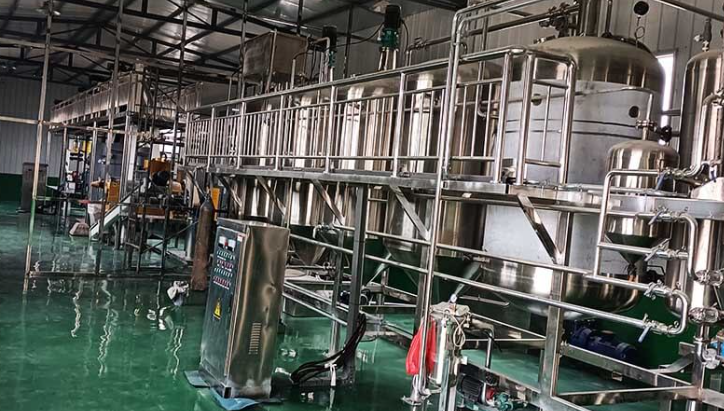
In a batch bleaching process, the mixing of the oil and adsorbent, heating, the reaction period, and cooling all take place in a bleaching vessel (decolorizer) on a batch-by-batch basis. The adsorbent is subsequently removed through a separate filtration step, also performed in batches. This method is well-suited for smaller-scale vegetable oil processing. While batch bleaching is simple to operate and requires lower capital investment—without the need for continuous, enclosed filtration equipment—it is labor-intensive and involves longer production cycles.
2. Continuous Bleaching Process
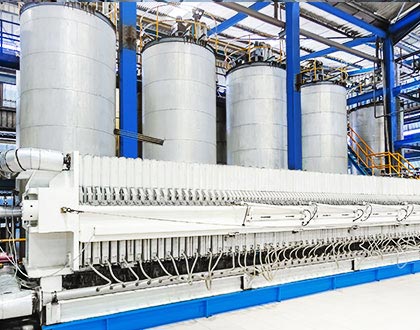
In a continuous bleaching process, the metered addition of the adsorbent, the mixing and adsorption phase, and the separation of the oil from the decolorizing agent are all carried out as part of a continuous operation. The bleaching and filtration stages take place within a single, enclosed vacuum system, typically utilizing two alternating filters to ensure an uninterrupted workflow. A continuous bleaching process allows for a controlled contact time between the oil and the bleaching earth, resulting in superior bleaching efficiency and a reduction in the amount of adsorbent required. Furthermore, heat exchange can be implemented between the oil entering and exiting the bleaching tower, thereby conserving energy.
If you are interested in our palm oil machine and palm oil mill plant. You can contact us through online consultation, filling out the form below, email, phone, etc. Our engineers will customize the most suitable plan and best price for you.