The core value of palm oil lies not in nutrition, but in engineering; it is not a product for storytelling, but a structural pillar for industrial systems. To decipher the pricing dynamics of palm oil, one must unlock five layers of constraints: first, its functional role within the broader oils and fats ecosystem; second, the extreme rigidity of its supply characteristics; third, the frequently misunderstood demand logic regarding biodiesel; fourth, the pricing mechanism driven by divergences between domestic and international market prices; and fifth—the ultimate factor—how inventory cycles transform these slow-moving variables into actionable trading signals. Using this five-layer logic as a framework, and incorporating the latest market data and industry shifts for 2025–2026, this article presents a clear, robust analytical framework for palm oil—one that rises above market sentiment.
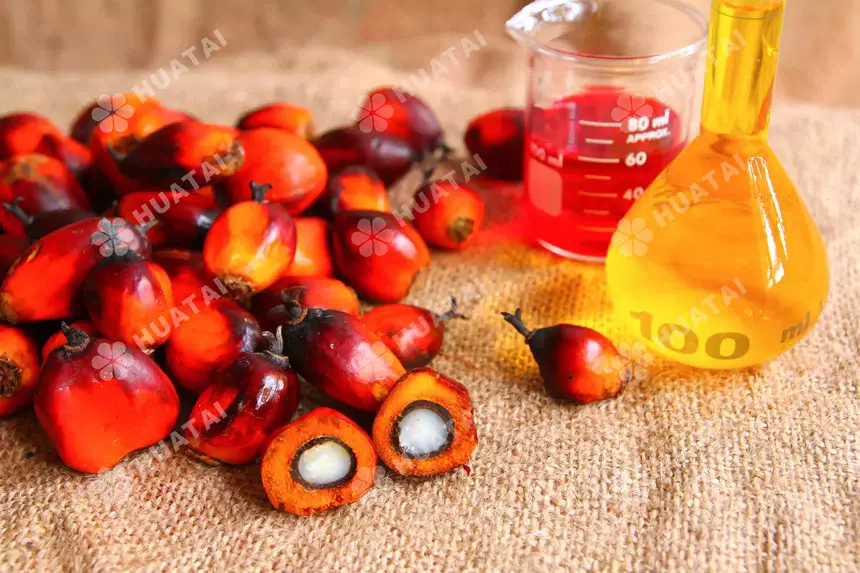
The oil palm is, in essence, a pure energy crop. It yields no meal—meaning it carries no "by-product baggage"—and boasts an oil extraction efficiency per unit of land ten times that of soybeans. More importantly, palm oil’s industrial nature makes it irreplaceable by similar products. Its naturally high saturated fat content grants it exceptional oxidative resistance and thermal stability, making it superior and more cost-effective than any "premium oil" for applications ranging from frying, baking, and frozen food production to the personal care and household goods industries. You may dislike its nutritional profile, but you cannot deny that it serves as the reinforced concrete foundation of the food industry.
Palm oil has long occupied the absolute floor of the global oils and fats pricing hierarchy. In international markets, its price typically trails that of soybean oil by 10% to 30%. This is not a discount for inferior quality, but rather the inverse of a functional premium: palm oil is so stable, affordable, and versatile that downstream industries have standardized their equipment and product formulations around its physical properties. Replacing it is possible, but doing so entails adjusting production lines, altering recipes, and assuming quality control risks. Unless the price spread widens enough to offset these switching costs, demand for palm oil remains inelastic.
An oil palm tree requires three years from planting to its first fruiting. After entering a peak, stable-yield phase lasting 8 to 15 years, the tree undergoes irreversible aging once it passes the 18-to-20-year mark, causing yields to plummet. The production output you see today is, in essence, the result of planting decisions made a decade or more ago. Product Categories and Key Applications:
1. Crude Palm Oil (CPO): An unrefined, orange-red oil extracted from the fruit pulp; it serves as the primary feedstock for refineries and a core raw material for Indonesia's biodiesel industry.
2. Refined Palm Olein: Resistant to solidification at low temperatures, it is the dominant oil used in China for instant noodles, fried snacks, baked goods, and commercial frying, accounting for over 65% of total domestic consumption in food processing.
3. Palm Stearin: Solid at room temperature, it is used in margarine, shortening, chocolate coatings, soap, and industrial lubricants.
4. Palm Kernel Oil: Processed from the inner kernel and rich in lauric acid, it is widely used in personal care products, surfactants, and oleochemicals. Beyond consumer use, palm oil forms the foundation of Indonesia's biodiesel industry; the country's mandatory biodiesel blending policy consumes nearly half of its domestic palm oil output, directly influencing the elasticity of global export supplies.
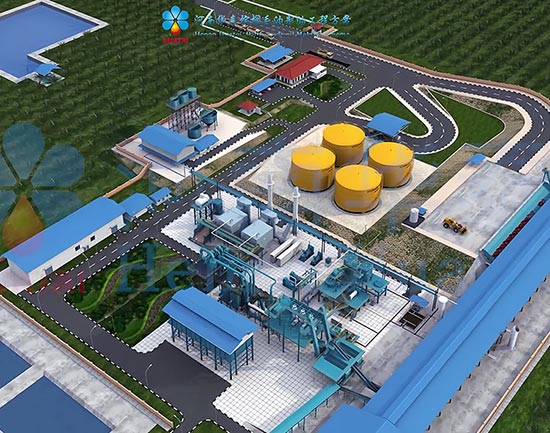
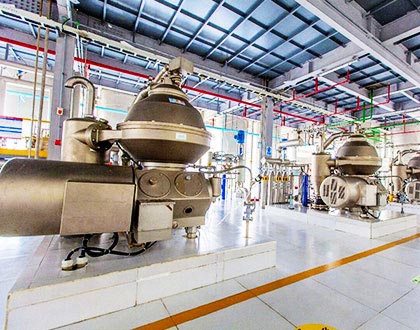
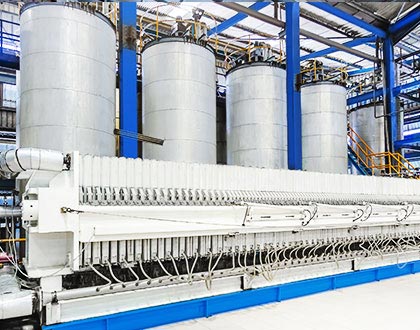
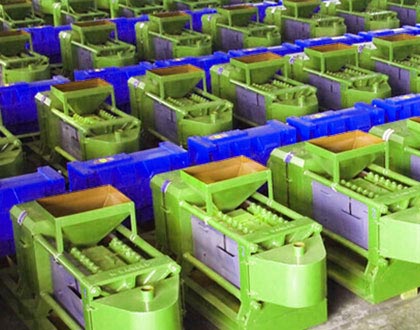
If you are interested in our palm oil machine and palm oil mill plant. You can contact us through online consultation, filling out the form below, email, phone, etc. Our engineers will customize the most suitable plan and best price for you.