Palm oil deodorization is a crucial post-refining process in palm oil production, aiming to remove off-odors and improve oil quality and stability. It is typically performed using high-temperature steam in a high-temperature, high-vacuum environment. Here is a detailed introduction to its specific information:
Core Purpose: Crude palm oil, due to oxidation and rancidity, produces volatile substances such as aldehydes, ketones, and low-molecular-weight fatty acids, resulting in unpleasant odors. Deodorization not only removes these odor-causing substances but also removes residual free fatty acids and some oxides. It also improves the smoke point and stability of palm oil, preventing the production of fumes and off-odors during cooking (such as frying), and resulting in a clearer oil color, meeting the food industry's requirements for flavor and appearance. Furthermore, this process allows for the recovery of valuable byproducts such as free fatty acids and vitamin E.
Mainstream Processes and Operations: Currently, the industry primarily uses the high-temperature vacuum steam stripping method, with standardized and rigorous procedures.
Pretreatment: The decolorized palm oil is first dehydrated and impurity-removed, reducing the water content to below 0.05%. This prevents foam blockage during deodorization and also prevents impurities from charring and producing new off-odors.
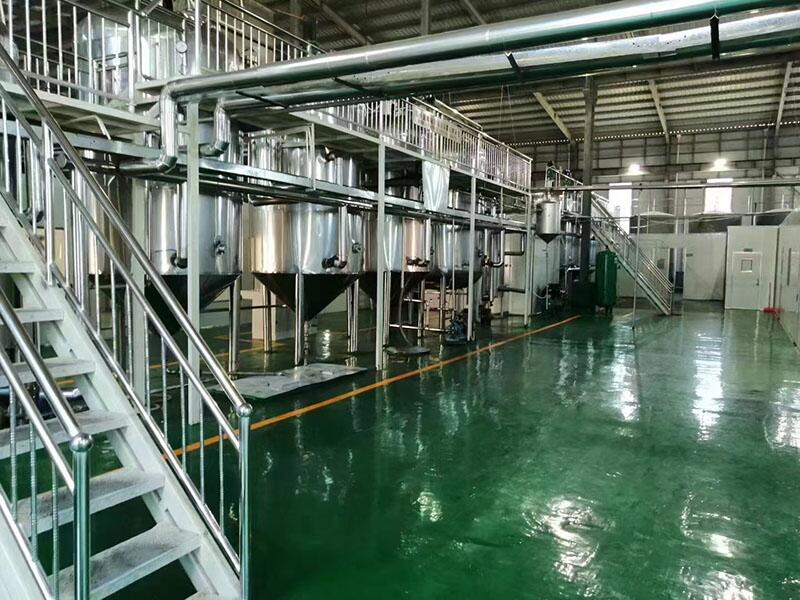
Heating and Vacuum Treatment: Palm oil is heated to approximately 240-260℃ using a heat exchanger and then fed into a deodorization tower. The vacuum level inside the tower needs to be maintained at 6-8 mmHg (approximately 0.8-1.07 kPa). This environment lowers the boiling point of odor-causing substances and improves removal efficiency.
Steam Stripping: High-temperature steam is introduced into the deodorization tower. The steam comes into full contact with the palm oil, carrying away odor-causing substances, free fatty acids, and other volatile components.
Post-treatment: The deodorized palm oil needs to be rapidly cooled to below 70℃ to prevent high-temperature oxidation. An appropriate amount of antioxidant can then be added. Simultaneously, byproducts such as free fatty acids carried by the steam are recovered through a fatty acid trap. These byproducts can be used in the production of soap, animal feed, etc.
Improved Process: While traditional high-temperature deodorization is effective, it easily generates glycidyl esters, a harmful pollutant. To address this, a dual-temperature, dual-stripping process. This process first heats palm oil to 260°C to remove free fatty acids, then cools it to below 230°C for deodorization, while simultaneously extending the holding time. This ensures effective deodorization while reducing contaminant formation.
Key influencing factors: Excessive temperature may lead to the formation of trans fatty acids and the destruction of nutrients such as vitamin E in palm oil; excessively low temperatures result in incomplete deodorization. Vacuum levels also need strict control; if the vacuum level decreases, the deodorization time must be extended accordingly to meet standards. Furthermore, uniform steam distribution is crucial. Using equipment such as porous distribution plates or rotating nozzles allows for sufficient contact between the oil and steam, improving deodorization efficiency.
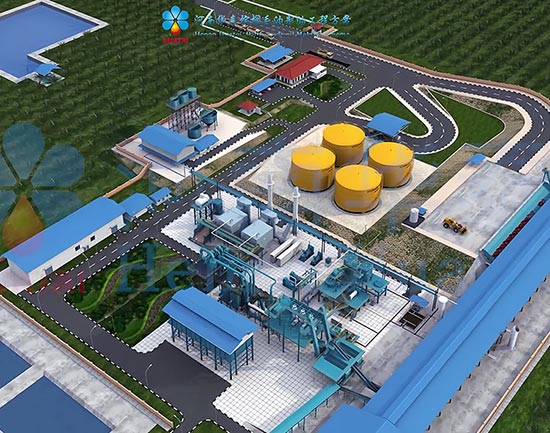
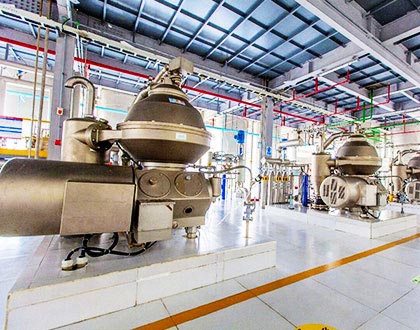
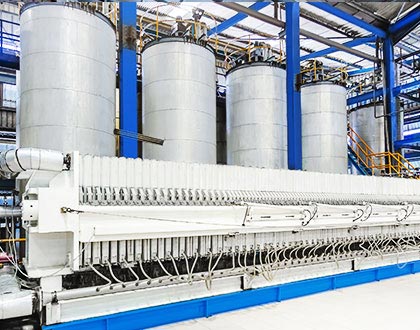
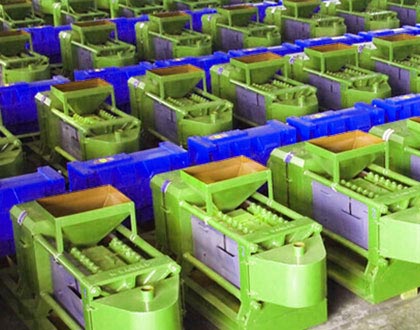
Huatai Group supply crude palm oil refinery, cpo bleaching, cpo deodorization process, cpo fractionation. Welcomet to visit our factory for business.
If you are interested in our palm oil machine and palm oil mill plant. You can contact us through online consultation, filling out the form below, email, phone, etc. Our engineers will customize the most suitable plan and best price for you.