The total investment in a palm oil mill in Benin depends primarily on daily processing capacity, processing technology (virgin/refined), and the degree of localization. The following is a breakdown of the total investment for mainstream mills in 2025 (all figures are in USD, including infrastructure, equipment, environmental protection, and working capital, excluding financing interest):I. Total Investment and Details by Mill Size (Benin Scenario)
Size
Daily Processing Capacity
Total Investment (USD)
Investment Composition (Percentage)
Small
30–50 tons (virgin)
1 million–3 million
Equipment 35%, Infrastructure 25%, Environmental Protection 10%, Working Capital 30%
Suitable for smallholder farmers, 1–3 hectares
Medium
100–300 tons (virgin + semi-refined)
8 million–15 million
Equipment 40%, Infrastructure 25%, Environmental Protection 10%, Working Capital 25%
Regional supply, 5–10 hectares
Large
Over 500 tons (fully refined + by-products) 20-50 million RMB: Equipment 45%, Infrastructure 20%, Environmental Protection 15%, Working Capital 20%. Export-oriented, occupying 15 hectares+
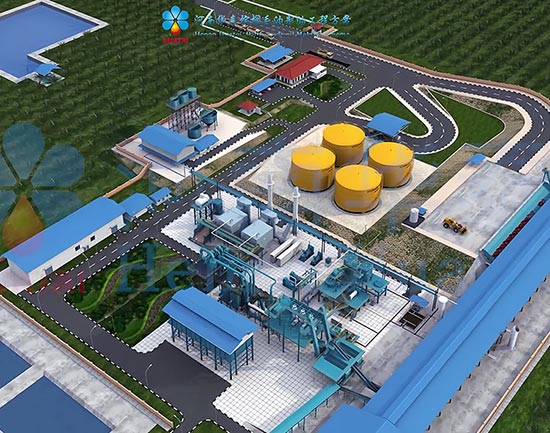
Equipment Procurement
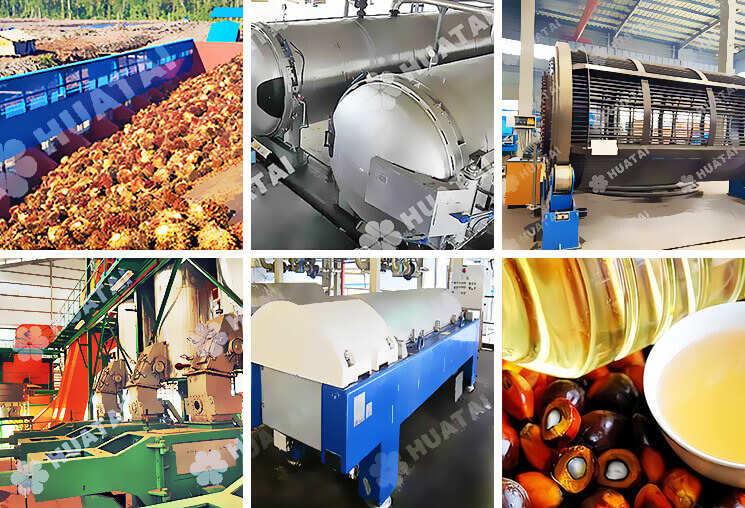
Primary Pressing Line: Fermentation tanks, fruit threshers, double-screw oil presses, etc., accounting for 60% of equipment investment (approximately 2.4-3.6 million RMB).
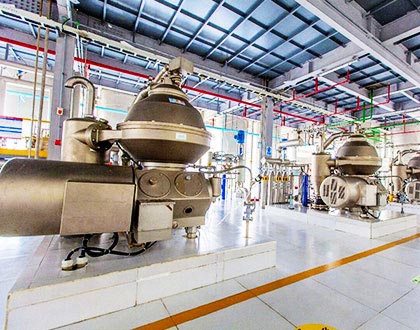
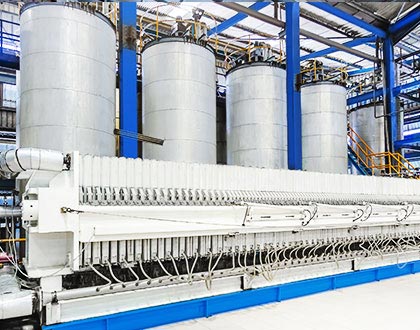
Semi-refining Line: Degumming/Deacidification/Decolorization/Deodorization equipment, accounting for 40% of equipment investment (approximately 1.6-2.4 million RMB).
Environmental Protection Equipment: Tertiary wastewater treatment + waste gas treatment, approximately 800,000-1.2 million RMB, requiring simultaneous implementation with the main project.
Infrastructure and Land
Land Lease (10 hectares, 20 years): Approx. 700,000 (rent in Benin Industrial Park is approximately USD 3.5/㎡/year).
Factory/Warehouse/Office Building: Approx. 1.3 million – 3 million (mainly steel structure, including water and electricity).
Working Capital (approx. 2 million – 3.75 million)
Covering 3 months of raw material acquisition, labor, and energy consumption. Based on a daily processing capacity of 100 tons, monthly raw material costs are approximately 600,000 – 800,000.
Compliance and Others (approx. 400,000 – 750,000)
Environmental Impact Assessment (EIA), permit processing, ISO 22000 certification, etc., with a cycle of 4–9 months.
Process Route: Using only primary crushing can save 30%–40% on equipment investment; adding a refining line increases added value by 30%–50%, but increases investment by approximately 40%.
Localization Rate: A 10% increase in the localization rate of equipment reduces equipment costs by 5%–8%; local construction teams can reduce infrastructure costs by 15%–20%.
Policy Incentives: Benin offers a 70% reduction in import tariffs on equipment for eligible companies and a full exemption from corporate income tax for the first 5 years, significantly reducing initial cash flow pressure.
Vulcanizing Plant: Estimate total investment based on daily processing capacity × US$20,000–30,000 per ton (e.g., 100 tons/day ≈ US$2 million–3 million).
Refining Plant: Increase investment by 50%–80% on top of virgin processing (e.g., 100 tons/day refining ≈ US$3 million–5.4 million).
Working Capital:Reserve for 3 months of operating costs, approximately 25%–30% of total investment.
Prioritize industrial parks in southern Benin (e.g., Cotonou Industrial Park) to share infrastructure and shorten approval cycles.
Initially, the company started with a "virgin crushing + semi-refining" process to quickly generate cash flow, and then expanded the refining line in phases.
Signing contracts with local farmers' cooperatives secured raw material supplies and reduced the risk of fluctuations in procurement costs.
If you are interested in our palm oil machine and palm oil mill plant. You can contact us through online consultation, filling out the form below, email, phone, etc. Our engineers will customize the most suitable plan and best price for you.